
01 · Swiss business setup
Set up a Swiss business from anywhere.
AG, GmbH, holding and FINMA-regulated structures across all 26 cantons. Delivered end-to-end in English by practitioners based at Baarerstrasse 14, Zug.
02 · Switzerland in numbers
The fiscal contract behind every Swiss setup.
14.6%
Federal CIT effective
11.85%
Zug — lowest cantonal
8.1%
VAT standard rate
~80
DTAs in force
CHF 20k
GmbH min capital
CHF 100k
AG min capital
2 – 6 wks
HRG processing
26
Independent cantons
03 · Cantonal canvas
Choose the canton that matches your tax & industry.
Switzerland is a three-layer tax system: 8.5% federal, plus cantonal, plus municipal. Canton choice alone moves your effective corporate rate by ~9 percentage points.
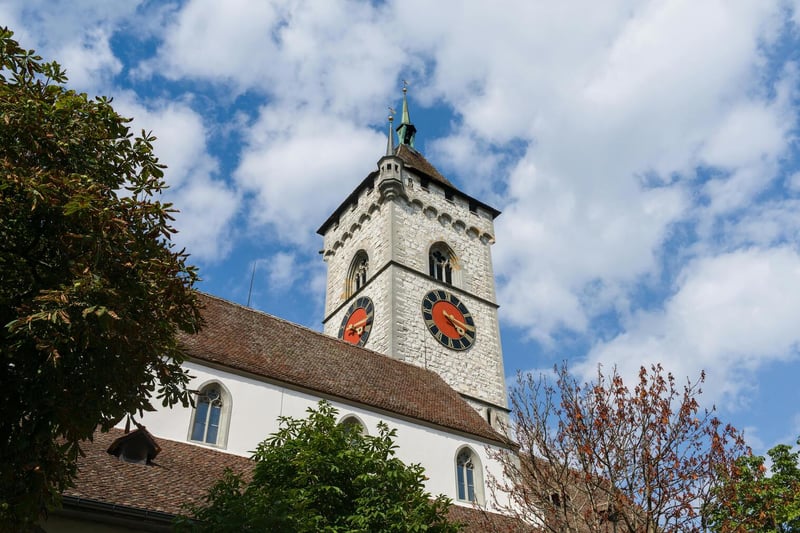
Zug
11.85% · Crypto Valley · holding
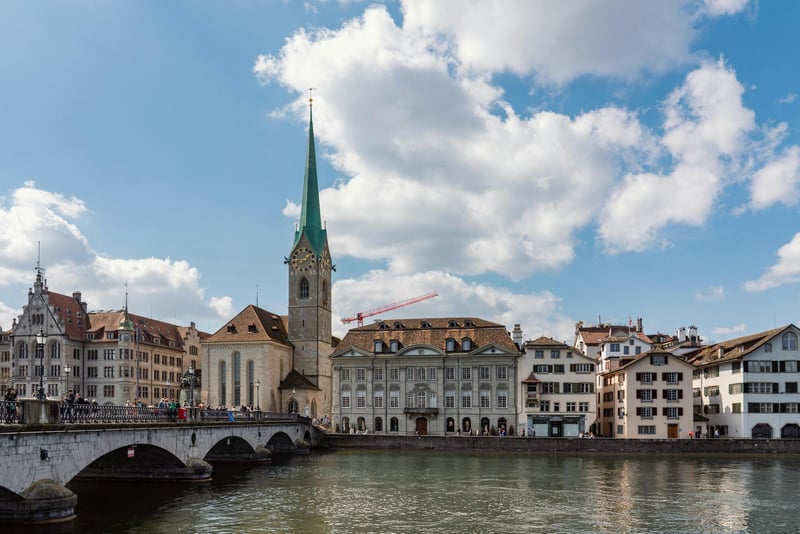
Zurich
19.61% · banking hub · talent
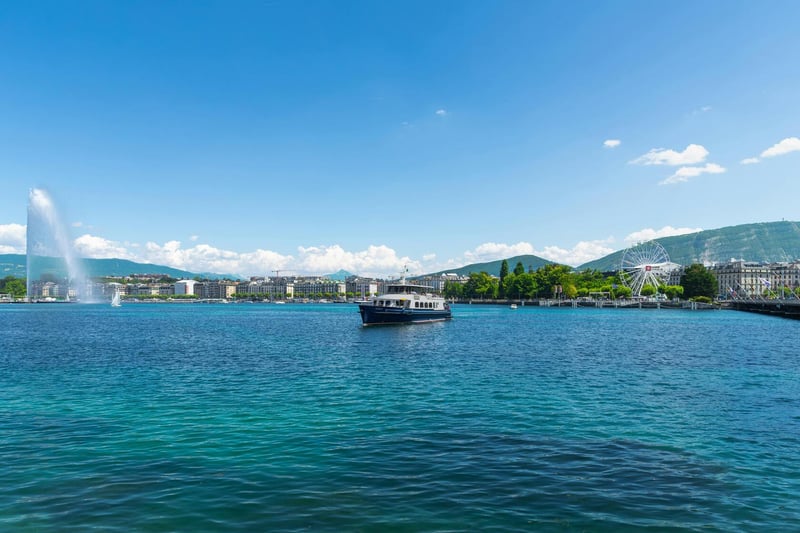
Geneva
14.70% · international HQs
| Canton | Code | Effective CIT | Industry anchor |
|---|---|---|---|
| Zug | ZG | 11.85% | Crypto Valley · holding · low-tax HQ |
| Nidwalden | NW | 11.9% | Low-tax small canton, often overlooked |
| Lucerne | LU | 12.3% | Second-lowest, SME-friendly |
| Basel-Stadt | BS | 13.0% | Pharma and chemical cluster |
| Schwyz | SZ | 14.0% | Low-tax alternative to Zug |
| Geneva | GE | 14.70% | International HQs · UN agencies |
| Zurich | ZH | 19.61% | Banking hub · deepest talent pool |
| Bern | BE | 20.54% | Federal capital · highest effective rate |
Effective rate combines federal direct tax at 8.5% statutory (~7.83% effective after the tax-on-tax calculation) with cantonal and municipal corporate income tax at the main city. Rates shift with fiscal year: Ticino cut 3.11 pp for 2025, Basel-Land 2.45 pp the same year.
04 · Services
Across the Swiss company lifecycle.
Each service is its own page with figures, residency obligations, and the statutory anchor in the Code of Obligations.
Company formation
AG, GmbH and branch incorporation. Zefix name check, articles drafted with counsel, notarial deed, capital consignment, Handelsregister filing, VAT registration. 2–6 weeks.
Learn moreDedicated AG formation
CHF 100,000 share capital with at least CHF 50,000 or 20% paid in at formation, shareholders held privately. Built for capital raising and holding (OR art. 621, 632).
Learn moreDedicated GmbH formation
CHF 20,000 share capital fully paid in, partners listed in the Commercial Register. Closely held operating businesses (OR art. 773, 777c).
Learn moreAccounting & compliance
Bookkeeping, statutory year-end accounts, VAT returns at 8.1% standard, payroll. VAT registration mandatory at CHF 100,000 worldwide turnover (MWSTG art. 10).
Learn moreNominee director
Resident-signatory rule satisfied without relocation. AG: ≥1 board member resident CH (OR art. 718.4). GmbH: ≥1 managing officer resident CH (OR art. 814.3).
Learn moreCompany liquidation
Voluntary or insolvency liquidation: shareholder resolution, liquidator appointment, creditor call, blocking period, tax clearance, deregistration (OR art. 736–747).
Learn more05 · Specialised structures
Holding · family office · FINMA · crypto.
Where our work differs from peer fiduciaries. Each engagement carries its own substance, staffing and regulatory file, not a template drawn from a standard GmbH.
Holding company
Participation exemption under DBG art. 69-70 effectively removes federal tax on qualifying dividends. Outbound 35% withholding reduced to 0/5/10/15% under ~80 DTAs.
ExploreFamily office
Single and multi-family offices in Zug or Geneva, combining corporate vehicles with substance, governance, external manager coordination, cross-jurisdiction tax.
ExploreFINMA-regulated entities
Portfolio managers and trustees under FinIA, collective investment under CISA, banks under BankG, DLT operators under FMIA. Authorisation: 6–18 months from filing.
ExploreCrypto and DLT
Zug Crypto Valley anchors Swiss DLT companies, token issuers and exchange operators. FMIA extended in 2021 to cover DLT trading and tokenised securities (DLT Act).
Explore06 · Foreign founders
Eligibility and residency, mapped.
Nationality does not block ownership of a Swiss company. It does shape the permit path if you intend to move.
Free movement of persons
Under the FZA agreement, EU and EFTA nationals may work or open a business in Switzerland without a work permit. Cantonal registration required after three months.
B-permit and federal quota
Non-EU/EFTA founders move under B-permit, renewable annually, subject to the ~8,500 federal annual quota (2025). Self-employment requires economic-interest proof under FNA art. 19.
Do I need to move at all?
No. Foreign nationals may own 100% of a Swiss AG or GmbH regardless of where they live. The resident-signatory rule (OR art. 718.4 / 814.3) is satisfied through nominee-director.
G-permit / L-permit / C-permit
G covers cross-border workers. L covers short-term up to 12 months. C is permanent residence after ~10 years (5 for US/CA nationals).
07 · How we work
A predictable five-step engagement.
Published fixed fees for most services (formation CHF 990–1,490, accounting CHF 990–1,900/yr, payroll CHF 120/mo, trademark CHF 690). Multi-step engagements (M&A, FINMA, restructuring) scoped on a free 30-minute call and confirmed in a written proposal.
-
01
Scoping call in English
30-minute call to map legal form, canton, timeline and substance or permit blockers.
-
02
Custom proposal
Written proposal: scope, fixed and variable fees, named advisors, expected cantonal timings.
-
03
Incorporation
GmbH 2–4 weeks · AG 3–6 weeks. Zefix name check, articles, notarial deed, HRG filing.
-
04
Banking & VAT
Operating accounts after registry (CDD 5–30 days for foreign UBOs). VAT registration where turnover requires.
-
05
Ongoing compliance
Bookkeeping, VAT returns, statutory year-end, audit coordination at OR art. 727 thresholds.
08 · Our team
Built in Zug, trusted across Switzerland.
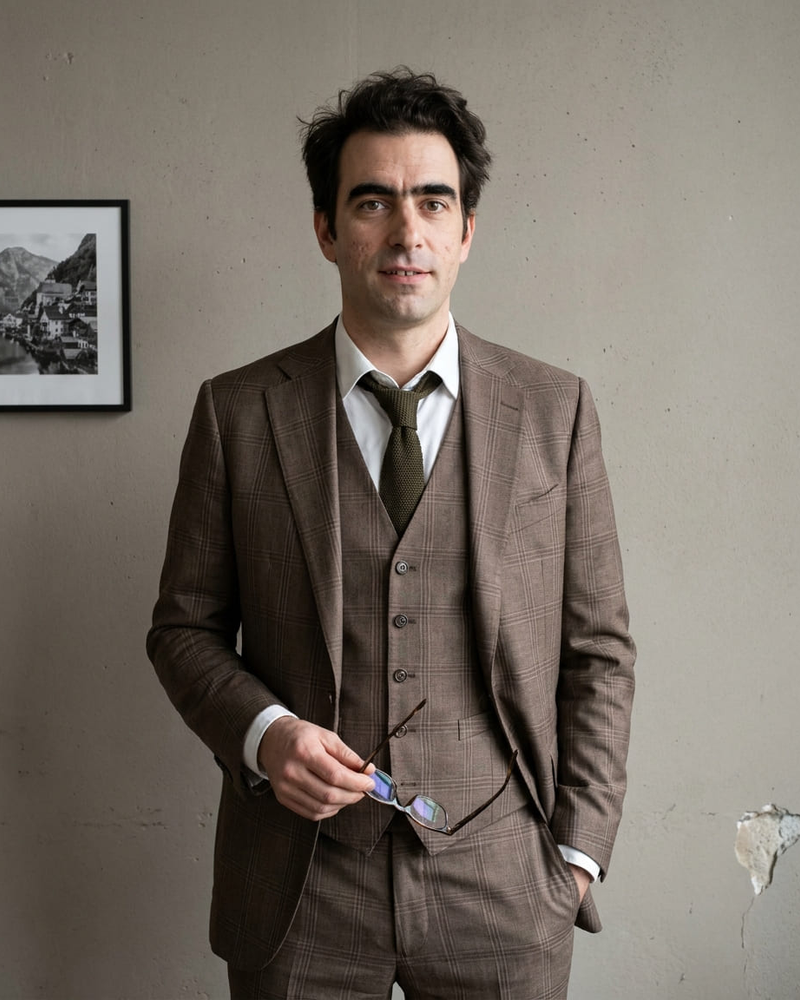
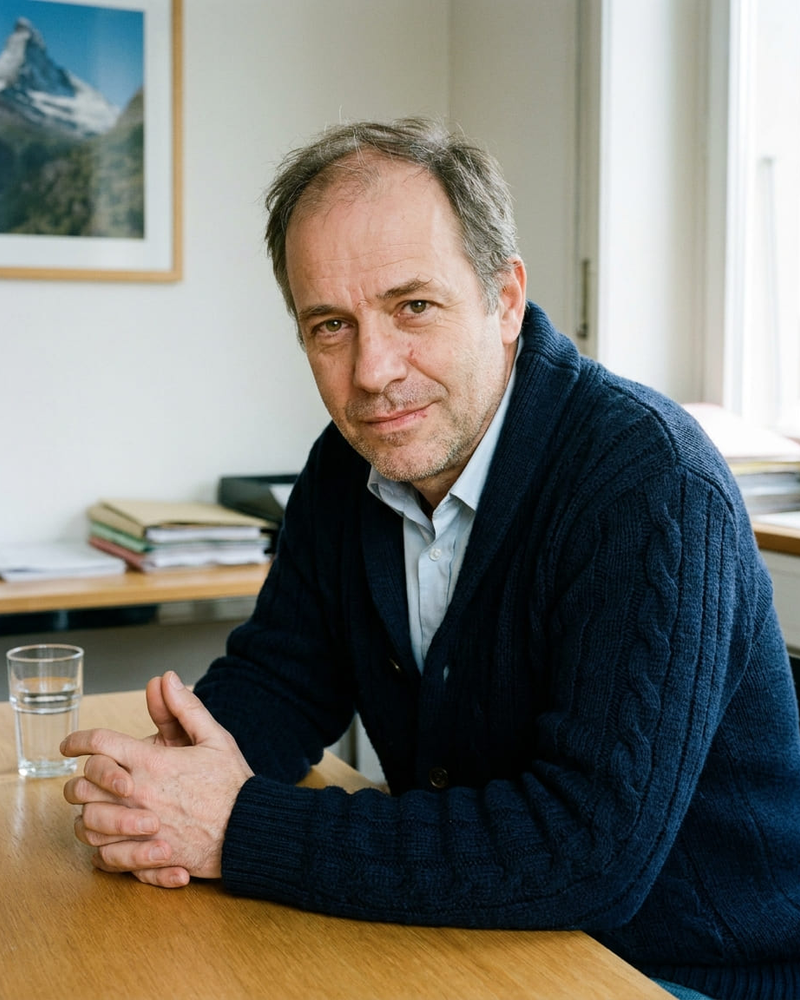
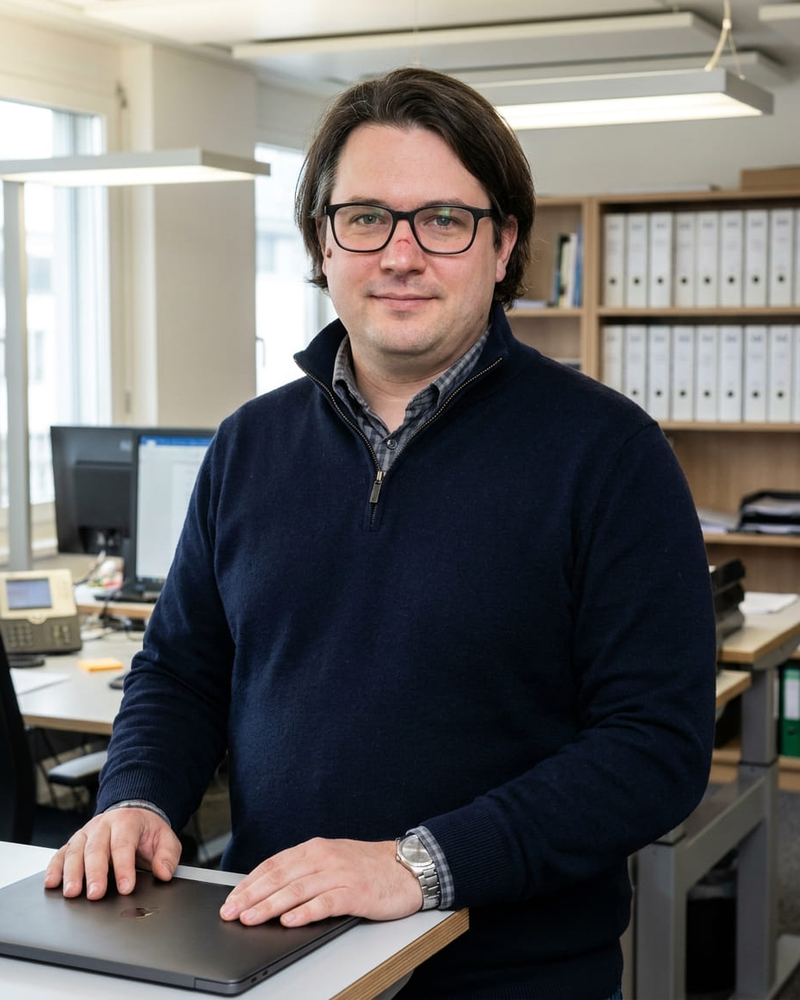
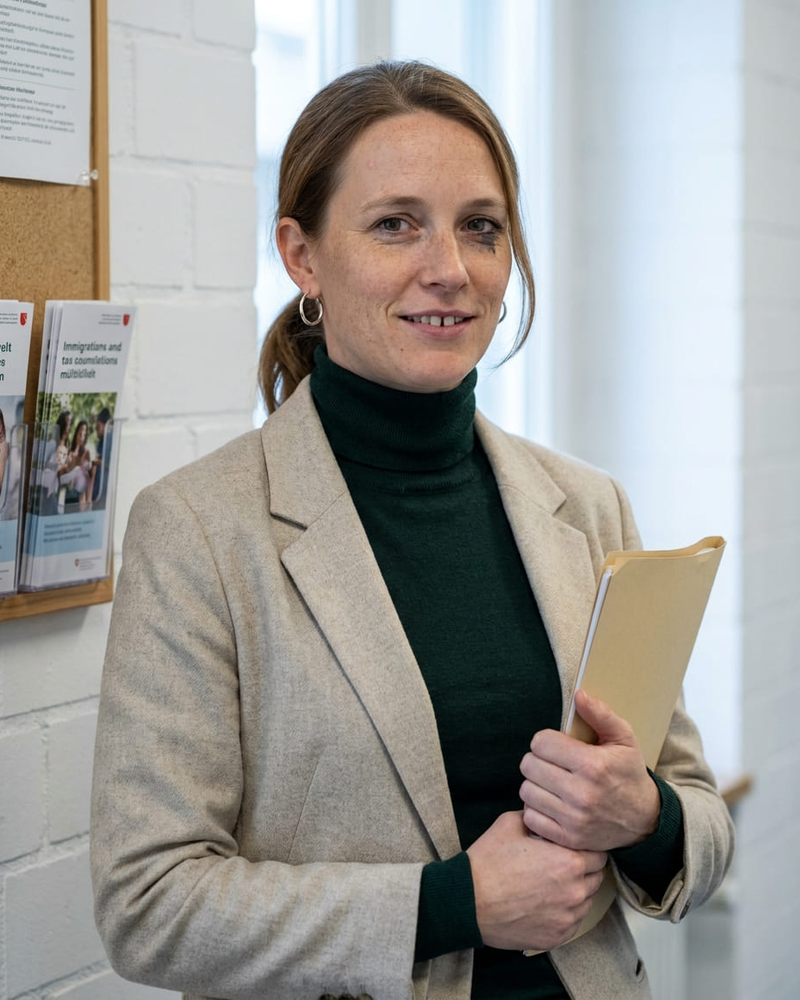
A small, deliberately sized team. Every file is staffed by a named advisor — the person on your scoping call is also the person drafting articles and replying to your tax letters.
Five practitioners · 8–12 years each.
Swiss-trained advisors with early-career stints at Big Four and 8–12 years subsequent corporate, tax and regulatory practice. We do not trade on bar admission, do not publish honorific titles, and do not share team bandwidth across hundreds of live files.
Full profiles, including subject-matter focus and language coverage, on the team page. Ask during the scoping call for the named advisor fit to your structure.
-
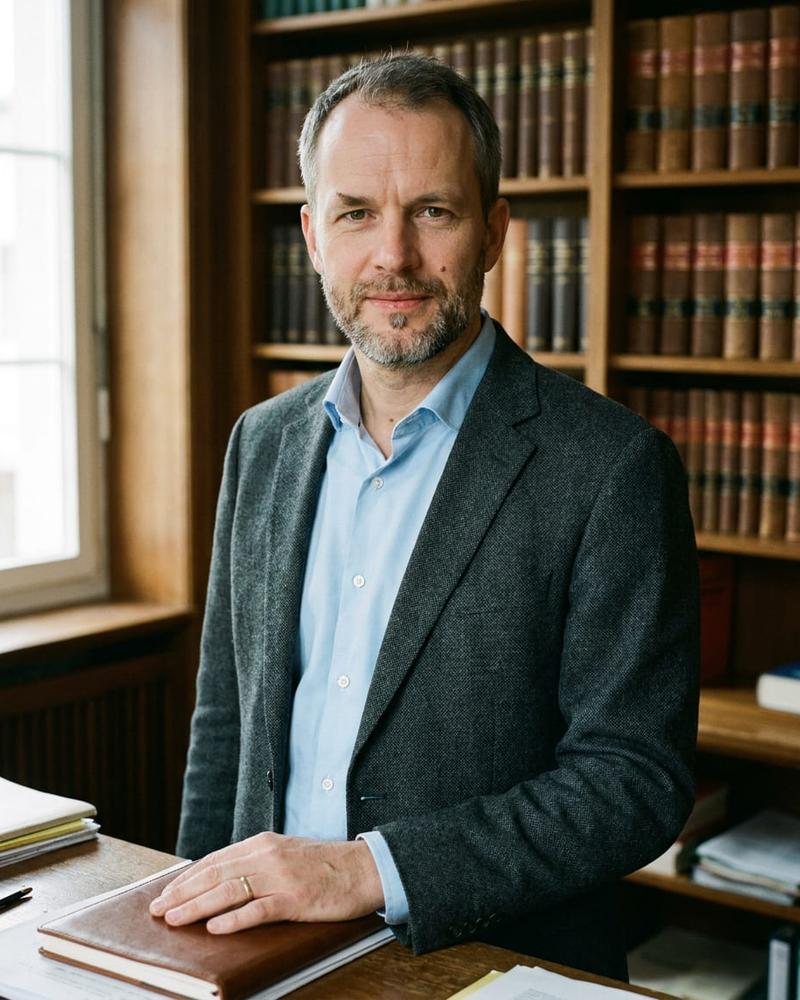
Lukas
-
Andreas
-
Marc
-
Stefan
-
Eva
Baarerstrasse 14, 6300 Zug.
Our office sits on Zug's principal business artery. Zug is Switzerland's lowest-tax canton at an effective 11.85% and home to Crypto Valley.
Baarerstrasse 14, 6300 Zug, CH
info@business-in-switzerland.com
09 · FAQ
Frequently asked questions.
Answers to the questions we hear most often from foreign founders considering Swiss setup. Each answer cites its statutory anchor where one applies.
Do I need to be a Swiss resident to form a company in Switzerland?
No. Foreign nationals may own 100% of a Swiss AG or GmbH regardless of residency. However, at least one authorised signatory must reside in Switzerland, the resident-director rule (OR art. 718.4 for AG, 814.3 for GmbH). Nominee-director services satisfy this without you relocating.
Which legal form should I choose, AG or GmbH?
The GmbH is built for closely held businesses: CHF 20,000 capital fully paid in, partners publicly listed in the Commercial Register. The AG is built for capital raising and holding structures: CHF 100,000 capital with CHF 50,000 or 20% paid in at formation, shareholders held privately.
What is the minimum share capital for a Swiss company?
CHF 20,000 for a GmbH, fully paid in at formation. CHF 100,000 for an AG, with at least CHF 50,000 or 20% paid in at formation (OR art. 621, 632, 773, 777c). Sole proprietorships have no minimum but carry unlimited personal liability.
How long does it take to incorporate in Switzerland?
A GmbH typically completes in two to four weeks. An AG typically runs three to six weeks. Steps include a name check via Zefix, drafting articles, notarial deed, Handelsregister filing and capital consignment. Cantonal processing speed varies.
Which canton has the lowest corporate tax rate?
Appenzell Innerrhoden posts the lowest headline rate at around 11.5%, with Zug at about 11.85% carrying the strongest combination of low tax, Crypto Valley depth and international infrastructure. Lucerne and Nidwalden follow at ~12.3% and ~11.9%.
Do I need a Swiss-resident director or board member?
Yes. An AG must have at least one board member or officer resident in Switzerland with signing power (OR art. 718.4). A GmbH must have at least one managing officer resident in Switzerland (OR art. 814.3). A nominee-director mandate satisfies this for non-Swiss founders.
Can a non-EU citizen form a company in Switzerland?
Yes. Nationality is not a bar to ownership. It does affect the permit path if you intend to move: EU/EFTA nationals benefit from free movement; third-country nationals need a B-permit under the annual federal quota and must show economic interest to Switzerland (FNA art. 19).
Do I need a Swiss bank account before registration?
Yes. Share capital must be deposited into a consignment account at a Swiss bank and blocked until the Handelsregister entry is recorded. Operating accounts can be opened separately, timelines vary from five to thirty days depending on the bank’s due diligence on foreign beneficial owners.
Will I automatically get a residence permit after forming my company?
No. Forming a Swiss company does not grant a residence permit. The permit track is separate, B-permit for third-country nationals under quota, direct registration for EU/EFTA nationals. For third-country founders, expect three to six months where the economic-interest test is passed.
What do I need to know about Swiss VAT as a foreign founder?
Switzerland’s standard VAT rate is 8.1% (effective 1 January 2024, replacing 8.0%). Registration is required once worldwide taxable turnover reaches CHF 100,000 (MWSTG art. 10). Foreign businesses making any supply in Switzerland are liable from the first franc of Swiss turnover if the worldwide threshold is met.
Is Switzerland still attractive for holding companies?
Yes. The participation exemption removes federal tax on dividends from qualifying shareholdings (DBG art. 69-70). Withholding on outbound dividends is 35% statutory, typically reduced to 0/5/10/15% under a network of about 80 double taxation treaties, including 0% CH-EU intercompany.
How do I request a proposal, and what will you need from me?
Use the contact form at /contact/. Most services have published fixed fees — see the relevant service page for the rate (GmbH formation CHF 990, AG formation CHF 1,490, registered address CHF 1,200/year, etc.). For multi-step engagements (M&A, FINMA licensing, restructuring) we send a written proposal once we know: target legal form, canton preference, activity and expected turnover, founder nationality and residence, and nominee-director need.
10 · Start here
Request a proposal.
Tell us your target legal form, canton, activity and expected turnover. We reply in English with a written proposal scoped to the work you actually need.