Minimum wage
Minimum Wage in Switzerland 2026: Cantonal Rates Explained
Switzerland has no national minimum wage. Five of its 26 cantons set their own statutory floor, and elsewhere collective agreements decide the minimum, so what an employer must pay depends entirely on location and sector.
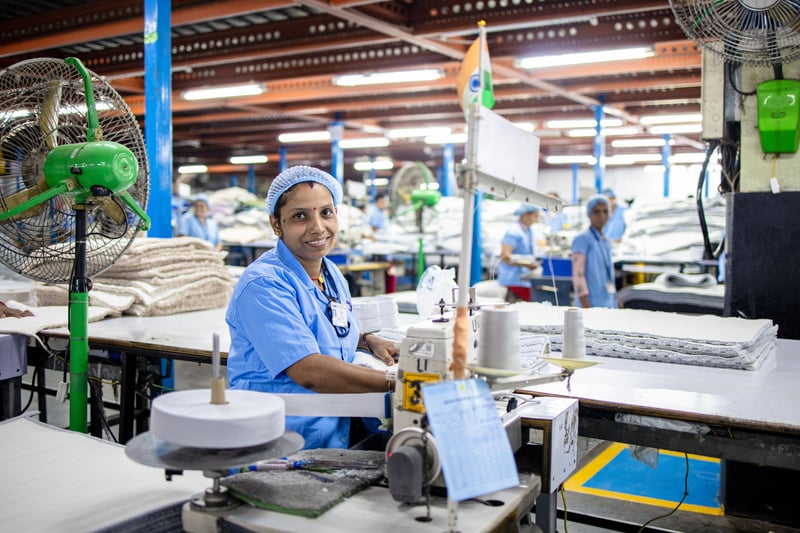
For a country with some of the highest wages in the world, Switzerland is unusual in having no national minimum wage. A 2014 federal popular initiative to introduce one was rejected by 76.3 percent of voters and by every canton. Instead, the floor is set in two ways: by individual cantons that have passed their own minimum-wage laws, and by sector-wide collective labour agreements (Gesamtarbeitsvertrag, GAV) and normal employment contracts.
The key facts at a glance: there is no federal floor; 5 of 26 cantons set their own; Geneva has the highest statutory minimum in the world; everywhere else collective agreements and model contracts set the binding rate; and every cantonal figure is indexed: Geneva, Neuchâtel, Basel-Stadt and Ticino set a new rate each January, while Jura adjusts when its government decides, most recently on 1 July 2024. For a foreign employer, the practical question is rarely "what is the Swiss minimum wage" but "what is the minimum in the canton and industry where I am hiring". This guide answers both, with the 2026 numbers and the rules that sit behind them.
By the numbers
The figures that anchor this topic.
None
Federal minimum wage
5 of 26
Cantons with a statutory floor
CHF 24.59
Geneva minimum / hour · 2026
CHF 7,024
Median full-time wage / month · 2024
The short answer
Does Switzerland have a minimum wage?
No, Switzerland has no national statutory minimum wage. Wage-setting rests on social partnership between employers and unions rather than central legislation, and the federal government deliberately leaves pay to the market and to collective bargaining.
The qualifier has three parts. First, five of the 26 cantons have passed their own minimum-wage laws. Second, in the other 21 cantons the binding floor for many sectors comes from generally-binding collective labour agreements. Third, where neither applies, the wage is freely negotiated, subject only to rules against abusive contracts. The surprise for many is that a country this wealthy has no single legal number: Swiss market rates sit far above any statutory floor, so the minimum mainly bites in lower-paid service work, part-time roles and entry positions.
The 2014 vote
Why Switzerland has no national minimum wage
In May 2014 Swiss voters were asked, in a federal popular initiative, to approve a national minimum wage of CHF 22 per hour. They rejected it decisively: 2,210,192 votes against and 687,571 in favour, 76.3 percent no, with every canton opposed. Voters and the federal government took the view that a single national floor would not fit a country whose living costs and labour markets vary widely between cantons.
So how are wages set instead? Through social partners. Employer associations and trade unions negotiate sector-wide collective agreements that fix minimum pay, working hours, holidays and notice periods. The cantons retain the power to legislate their own floor if local voters want one. The result is a layered system in which the binding minimum depends on where the work is done and in which industry, rather than on one federal statute.
Cantonal floors
Which cantons have a minimum wage in Switzerland?
As of 2026, five cantons have a statutory minimum wage written into cantonal law. The rates are indexed, and the 2026 gross hourly figures are:
- Geneva: CHF 24.59 per hour, the highest statutory minimum in the world, applied across all economic sectors, with a separate CHF 18.07 for agriculture and floriculture.
- Basel-Stadt: CHF 22.20 per hour (CHF 22.00 in 2025), for work performed in the canton, except in sectors covered by a generally binding collective agreement.
- Jura: CHF 21.40 per hour since 1 July 2024.
- Neuchâtel: CHF 21.35 per hour (CHF 21.31 in 2025), with CHF 18.15 for agriculture, viticulture and horticulture.
- Ticino: CHF 20.00 to CHF 20.50 per hour, set by economic sector in the cantonal decree for 2026.
The remaining 21 cantons have no statutory minimum. There, the only binding floor is whatever a collective agreement sets for the industry. Because each figure is indexed, last year's rate is no longer the legal floor.
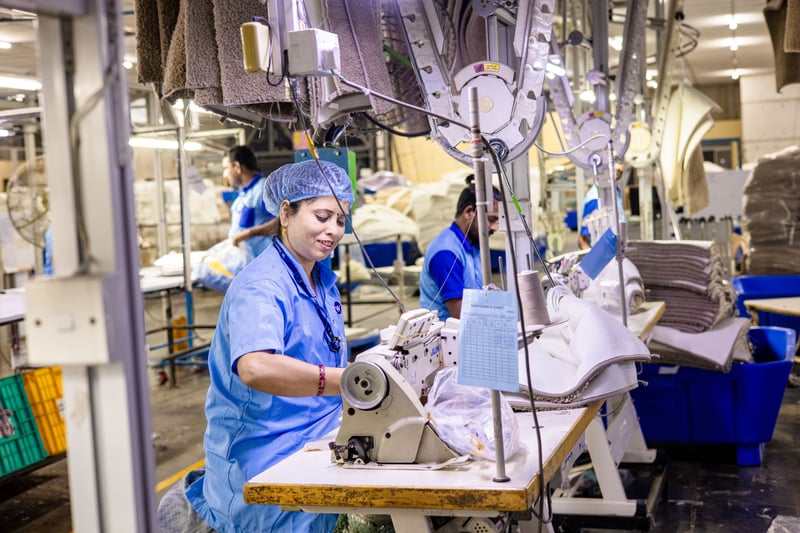
Geneva
Geneva: the world’s highest statutory minimum wage
Geneva voters approved a cantonal minimum wage in 2020, and it has risen with indexation since. At CHF 24.59 per hour from 1 January 2026 (up from CHF 24.48 in 2025), it is widely described as the highest statutory minimum wage in the world. A separate rate of CHF 18.07 per hour applies in agriculture and floriculture, a distinction worth respecting because it is a frequent compliance trap.
The cantonal labour office converts the general minimum to CHF 4,262.27 gross a month for a 40-hour week and CHF 4,368.82 for a 41-hour week. The floor is broad: it covers most employment relationships performed in the canton, with narrow carve-outs. Because the figure is indexed and moves each January, employers running payroll in Geneva should budget for an annual uplift rather than a fixed rate.
Per hour vs per month
Minimum wage per hour vs per month in Switzerland
Swiss minimum wages are quoted per hour, but most contracts state a monthly salary, so a conversion is often needed. The cantonal offices multiply weekly hours by 52 and divide by 12: a 42-hour week gives 182 hours in an average month. At 42 hours a week:
- Geneva at CHF 24.59 per hour is CHF 4,475.38 gross per month.
- Basel-Stadt at CHF 22.20 per hour is CHF 4,040.40 gross per month.
- Ticino at CHF 20.00 to CHF 20.50 per hour is CHF 3,640 to CHF 3,731 gross per month.
The monthly figure moves with the contractual weekly hours, and part-time roles are paid the same hourly floor pro rata. All are gross figures, before the employee and employer shares of social security, occupational pension and, for many foreign workers, wage-source tax.
Currency
Minimum wage in Switzerland in euros, dollars and pounds
A frequent search is the Swiss minimum wage converted into euros, US dollars or British pounds. We do not publish a converted figure, because exchange rates float. The minimum is owed and paid in Swiss francs, so the franc amount is the legal floor; convert it at the exchange rate of the day when you need a figure in another currency.
No statutory floor
How wages are set where there is no statutory minimum
In the 21 cantons without a statutory minimum, three other mechanisms set the floor, and they should not be confused with one another:
- Generally-binding collective agreements (GAV / CBA): where a sector agreement is declared generally binding (allgemeinverbindlich, force obligatoire) it applies to every employer in that field, including foreign-owned firms, whether or not they belong to the signatory association. Construction, hospitality, cleaning, retail, security and temporary staffing are typical examples, often with thirteenth-month pay and shift premiums on top.
- Normal employment contracts (NAV / CTT): cantonal or federal model contracts that impose a mandatory minimum in specific sectors where abusive wages have been documented. This is a distinct instrument from a GAV.
- Individual employment contracts: where none of the above applies, the wage is freely negotiated, subject only to the general limits on grossly unfair pay.
Checking the applicable GAV is therefore the first compliance step in any canton, with or without a statutory minimum, because a sector agreement can set a floor well above the cantonal rate.
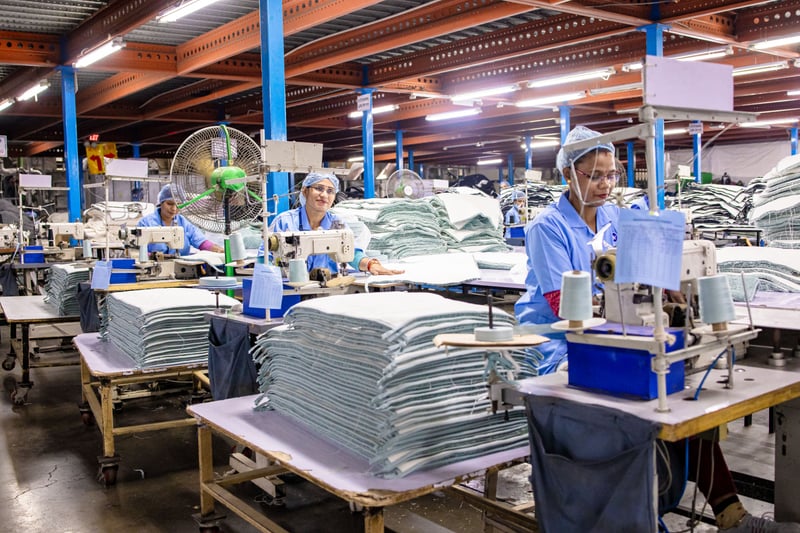
Equal treatment
Do foreigners get the same minimum wage in Switzerland?
Yes. A cantonal statutory minimum applies to work physically performed in the canton, regardless of the worker's nationality or where the employer is registered. A foreign company employing someone who carries out their duties in Geneva owes the Geneva minimum, and the same equal-treatment principle covers posted and temporary workers, with the accompanying-measures regime adding documentation and notification duties for cross-border arrangements.
Part-time staff receive the same hourly floor pro rata. Students working in a covered role are owed the same minimum. Apprentices and trainees on recognised programmes, and certain education-linked internships, are usually treated differently, and the carve-outs are set in each cantonal statute: Jura, for example, excludes apprentices and essentially formative internships. The work-permit dimension runs in parallel: our Swiss work permit guide sets out who can be hired and on what basis.
In context
Minimum wage vs the average Swiss salary
Is the Swiss minimum actually high? Nominally, yes, but it needs context. The median full-time wage was CHF 7,024 a month in 2024 according to the Federal Statistical Office, far above any cantonal minimum. The statutory floor is a floor that most roles never touch, which is why the minimum-wage debate in Switzerland centres on a handful of low-paid service sectors rather than the economy as a whole. Switzerland's cost of living is correspondingly high, so real purchasing power is more modest than the headline franc figure suggests.
Wages, and the case for cantonal rather than national minimums, also differ sharply by region: median pay in the Zurich area runs well above that in Ticino. That spread is part of why a single national figure was rejected. For employers weighing where to base a team, low-tax cantons such as Zug compete on the overall cost and talent picture, not on the wage floor.
For employers
Which minimum wage applies when you hire in Switzerland?
The compliance rule is straightforward once the layers are clear. Apply the statutory minimum of the canton where the work is performed. In Geneva and Neuchâtel the cantonal minimum overrides a lower wage in a collective agreement; in Basel-Stadt and Jura, sectors covered by a generally binding agreement with a minimum wage sit outside the cantonal law, so the agreement's wage table applies. Where an agreement sets a higher wage, the higher wage is owed.
Parliament amended the federal act on generally binding collective agreements on 19 June 2026 so that the minimum-wage clauses of a generally binding agreement will take precedence over cantonal law. The referendum period runs until 8 October 2026 and the Federal Council will set the date of entry into force; in a canton whose minimum currently prevails, that minimum stays applicable at its level on that date until the agreement's wage overtakes it. A short checklist for a foreign employer:
- Identify the canton where the work is physically performed.
- Check whether that canton has a statutory minimum, and its current indexed 2026 rate.
- Check whether a generally-binding collective agreement covers the sector, and read its wage table.
- Apply the floor that governs under the cantonal rules above, and budget the employer social-security share on top of the gross wage.
- Document the figure in payroll and diarise the January indexation review.
Getting this right from day one is where most foreign founders need help. Our payroll compliance and accounting and payroll services set the right floor and handle the deductions, while employer of record lets you hire before you have a local entity. If you are still at the planning stage, starting a business in Switzerland walks through incorporation, registration and the steps that come before your first hire. We work on a custom-quote basis, so contact us with the canton and role and we will scope it.
FAQ
Frequently asked questions
Is there a minimum wage in Switzerland?
No national statutory minimum wage exists. Five of the 26 cantons set their own minimum; elsewhere generally-binding collective agreements and normal employment contracts set de-facto floors. Where none of these applies, the wage is freely negotiated subject to anti-abuse limits.
Which cantons have a minimum wage in Switzerland?
Five cantons have a statutory minimum wage: Geneva, Neuchatel, Jura, Basel-Stadt and Ticino. The other 21 cantons have no statutory floor, so there the only binding minimum is whatever an applicable collective labour agreement sets for the sector.
What is the highest minimum wage in Switzerland?
Geneva has the highest statutory minimum wage, CHF 24.59 per hour in 2026, described as the highest in the world. It is indexed to consumer prices and adjusted each January; the 2025 rate was CHF 24.48.
What is the minimum wage in Switzerland per hour?
There is no single national figure. In 2026 the cantonal statutory rates range from CHF 20.00 per hour in parts of Ticino to CHF 24.59 per hour in Geneva, with Basel-Stadt at CHF 22.20, Jura at CHF 21.40 and Neuchâtel at CHF 21.35.
What is the minimum wage in Switzerland per month?
Geneva’s minimum works out to CHF 4,262.27 gross a month for a 40-hour week and CHF 4,475.38 for a 42-hour week (182 hours a month). Other cantons are proportionally less. The exact monthly figure depends on the canton and on contractual weekly hours.
Why doesn’t Switzerland have a national minimum wage?
A 2014 federal vote on a national minimum of CHF 22 per hour was rejected by 76.3 percent of voters and by every canton. Wages are instead set by social partners through collective bargaining and by individual cantons that choose to legislate their own floor.
Do foreigners earn the same minimum wage in Switzerland?
Yes. A canton’s statutory minimum applies to all workers performing work there, regardless of nationality, including foreign, posted and temporary workers. Part-time staff receive the same hourly floor pro rata.
How are wages set in cantons without a minimum wage?
Through generally-binding collective agreements in sectors such as construction, hospitality, cleaning and security, through normal employment contracts in sectors with documented abusive wages, and otherwise through freely negotiated individual contracts.
What is the average (median) salary in Switzerland?
The median full-time wage was CHF 7,024 per month in 2024 according to the Federal Statistical Office. This is a context figure, not a minimum, and it sits far above any cantonal statutory floor.
Is the Swiss minimum wage actually high given the cost of living?
Geneva’s is nominally the world’s highest, but Switzerland’s cost of living is correspondingly high, so real purchasing power is more modest than the headline franc number suggests. The minimum mainly matters in low-paid service sectors.
What is the minimum wage in Switzerland in euros or dollars?
We do not publish a converted figure because exchange rates float. The minimum is owed and paid in Swiss francs, so convert the franc amount at the exchange rate of the day when you need a euro, dollar or pound figure.
As a foreign company hiring in Switzerland, which minimum wage applies to me?
The statutory minimum of the canton where the work is performed. Geneva and Neuchâtel apply their minimum even where a collective agreement pays less; Basel-Stadt and Jura leave sectors with a generally binding agreement to that agreement. A higher agreement wage is always owed. Budget the employer social-security share on top of the gross wage.
Keep reading
Related guides and services.
Turn this into a Swiss plan that works.
A 30-minute call to map your structure, canton, timeline and required substance. No price-list. Every engagement is scoped on the call.