Citizenship
How to Get Swiss Citizenship: Routes and Requirements
Most foreign nationals become Swiss through ordinary naturalisation after ten years of residence, but marriage and descent open shorter paths. There is no citizenship by investment. This is the sourced map for non-Swiss nationals.
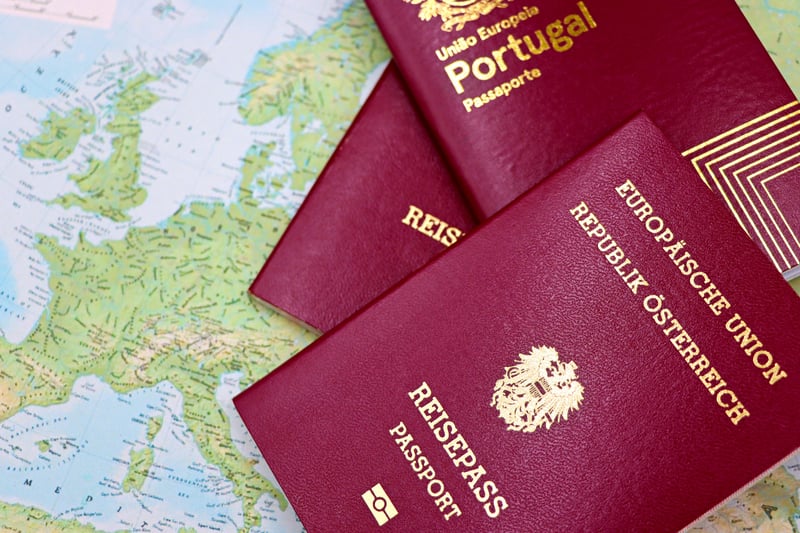
Becoming Swiss is not a single application to a single authority. Switzerland is a federal state, so a successful naturalisation means being accepted as a citizen of a commune, a canton and the Confederation at the same time. The federal State Secretariat for Migration (SEM) sets the national baseline, while the canton and commune add their own residence requirements and run much of the assessment, which is why the experience differs from one municipality to the next.
There are broadly four routes: by descent if a parent is Swiss, ordinary naturalisation after long residence, facilitated naturalisation for spouses and the third generation, and reacquisition for former citizens. One thing this guide states plainly up front: Switzerland has no citizenship by investment and no golden passport. Money can buy residence through lump-sum taxation, but nationality still has to be earned through the naturalisation clock. Everything below is written for foreign nationals and points at official sources where the figures come from.
By the numbers
The figures that anchor this topic.
10 years
Residence · ordinary route
C permit
Settlement status required
B1 / A2
Language · spoken / written
CHF 100
Federal fee · adult · BüV art. 25
Overview
The four ways to become Swiss
Before the detail, here is the whole map in one scan. Four routes lead to Swiss nationality, and which one applies to you depends mostly on your family ties, not your passport. Nationality does not change the residence-year requirements: an American and an EU citizen on the ordinary route face the same clock. Only descent and marriage shorten the path.
| Route | Who it is for | Core requirement | Typical timeline |
|---|---|---|---|
| Descent (ius sanguinis) | Children of a Swiss parent | A Swiss parent at birth | From birth |
| Ordinary naturalisation | Long-term foreign residents | 10 years residence + C permit | 10 years, then the procedure |
| Facilitated (marriage) | Spouses of Swiss citizens | 5 years residence + 3 years marriage | 5 years, then the procedure |
| Facilitated (third generation) | Grandchildren of immigrants, born in CH | Born in Switzerland, generally under 25 | On application |
Citizenship is not the same as a C permit. A common confusion is to treat the settlement (C) permit as the finish line. It is not. The C permit is permanent residence, and it is a prerequisite for ordinary naturalisation, but it confers no nationality, no Swiss passport and no vote in federal matters. If your goal is the permit rather than the passport, our guide to Swiss residence permit types covers the permit ladder from B to C that feeds this clock.
Ordinary route
Ordinary naturalisation: the 10-year route
Ordinary naturalisation is the standard route for foreign nationals with no Swiss spouse or Swiss ancestry, and it carries the highest search demand because it covers the most people. The federal conditions are a valid settlement (C) permit and at least ten years of residence in Switzerland. A recent-residence sub-rule applies too: you must have lived in the country for three of the last five years before filing, so a long gap abroad shortly before applying can break eligibility even if your total exceeds ten years.
Do childhood years count? Yes, with a twist. Time spent living in Switzerland between the ages of 8 and 18 counts double toward the ten years. As a worked example, someone who lived here from age 10 to 18 has 8 actual years, which double-count for those eligible years, but the rule still sets a floor of at least six actual years of physical residence. So the double-count reduces the wait, it does not erase the minimum time on the ground. Leaving Switzerland for a short period with the intention of returning does not interrupt residence, but deregistering or actually living abroad for more than six months does (BüG art. 33), which is why a settled, continuous base matters.
The three-tier decision. Swiss nationality is granted by the Confederation, the canton and the commune together, concurrently. You apply through your commune, SEM confirms the federal conditions are met, and the canton and commune apply their own additional requirements. On top of the federal ten years, cantonal law sets a cantonal and communal residence minimum of between two and five years (BüG art. 18), so the local requirement depends on the canton and commune where you apply. Low-tax cantons such as Zug are common bases for foreign founders, but the residence years that count toward naturalisation are the same wherever you settle, so staying put in one place is the real lever on your timeline.
Requirements
The requirements checklist: integration, language, finances, record
Meeting the residence clock is necessary but not sufficient. Beyond the years, SEM and the cantons assess four things, and a weakness in any one can stall or block an application.
- Integration and respect for the constitution. Respect for public safety and order and for the values of the Federal Constitution, participation in economic life or in education, and encouragement of family members in their own integration.
- Language. Spoken B1 and written A2 on the Common European Framework, covered in its own section below.
- Financial independence. Anyone who received social assistance in the three years immediately before applying, or during the procedure, does not meet the test unless the assistance has been repaid in full (BüV art. 7). Welfare dependency is a frequent reason for refusal.
- A clean record. Both a clean criminal record (an extract from the criminal register) and a clean debt-collection record (an extract from the debt-enforcement register, the Betreibungsregister). Open enforcement proceedings or recent unpaid debts can prevent naturalisation.
In practice the integration and financial tests reward continuity: stable employment, clean tax filings, no welfare and no enforcement proceedings build the record that the commune and canton review. Keeping costs sustainable feeds directly into that, which is where our cost of living in Switzerland guide helps you pick a base you can hold for the long haul.
Language
Language requirements explained (CEFR B1 / A2)
The language bar is set at spoken level B1 and written level A2 on the Common European Framework of Reference. It is a high-intent question for many applicants, so it is worth stating precisely: the relevant language is the official national language of your place of residence, not a language of your choosing. That means German, French, Italian or Romansh depending on the canton and commune where you live.
Proof is normally a recognised language certificate at the required level. The test is also met if the national language is your mother tongue, if you attended compulsory school in it for at least five years, or if you completed upper-secondary or tertiary education in it (BüV art. 6). Reaching B1 spoken comfortably before you apply, rather than just scraping the minimum, is the safer position and removes a common point of delay.
Marriage
Citizenship through marriage (facilitated naturalisation)
Marriage to a Swiss citizen opens facilitated naturalisation, a quicker federal procedure handled mainly by SEM rather than the commune. Many pages blur the conditions, so here is the clean split.
Married and living in Switzerland: a foreign spouse can apply after five years of residence in Switzerland, including the year immediately before the application, combined with three years of marital union with the Swiss citizen (BüG art. 21 para. 1), while still meeting the integration and language conditions.
Married and living abroad: a separate provision allows a spouse living outside Switzerland to apply after six years of marriage to a Swiss citizen, provided they can show close ties to Switzerland (BüG art. 21 para. 2). Facilitated naturalisation reduces the residence years but does not waive integration, language or the requirement to live in a stable marital union.
Descent
Citizenship by descent and the third generation
By descent (ius sanguinis). A child acquires Swiss nationality at birth if a parent is Swiss. This is the principle Switzerland follows, and it answers the "how do I qualify as an American or an EU citizen" question for many people with a Swiss parent or grandparent. The important negation: Switzerland does not apply ius soli. Being born on Swiss soil alone confers no nationality if neither parent is Swiss.
The third-generation route. A young foreigner who was born in Switzerland, whose grandparent already had a connection to the country and whose parent grew up here, may apply through a facilitated procedure before the age of 25 (BüG art. 24a). The conditions include a parent who has lived in Switzerland for at least ten years and attended at least five years of compulsory school here, and a child who holds a C permit and has done the same. Anyone who believes a parent or grandparent was once Swiss should also check whether reacquisition of a lapsed citizenship, rather than ordinary naturalisation, is the more direct route for them.
The investment myth
Is there Swiss citizenship by investment? (No)
This is the question that draws the most confusion, so the answer is blunt: Switzerland has no citizenship-by-investment programme and no golden passport. You cannot buy Swiss nationality, and no amount of capital, property or business activity shortens the naturalisation clock by itself.
What does exist is lump-sum taxation (the forfait fiscal), under which certain wealthy foreigners who do not work in Switzerland are taxed on their expenditure rather than worldwide income. That arrangement can support a residence permit, but it buys residence, not nationality. A lump-sum resident still has to serve the ten-year ordinary-naturalisation clock and meet every integration, language and record requirement like any other applicant. If a relocation and residence plan is what you are really after, our migration support service maps the permit and residence timeline that naturalisation is later built on.
Timeline
How long does it take? A realistic timeline
It is a long road. The ordinary route needs ten years of residence before you can file, and the procedure then runs through the commune, the canton and SEM. At federal level SEM decides on the naturalisation licence, as a rule, within eight months of receiving the complete file; for facilitated naturalisation the rule is twelve months from the cantonal report (BüV art. 23). The cantonal and communal stages come on top and depend on the local authority's workload.
| Stage | When |
|---|---|
| Arrival and B residence permit | Year 0 onward |
| Settlement (C) permit granted | After ten years, or after five years of uninterrupted residence with good integration and language skills or under a settlement agreement (AIG art. 34) |
| Ten-year residence mark reached | Year 10 (three of the last five years in CH) |
| Application assessed by commune and canton | Depends on the commune and canton |
| Federal naturalisation licence | As a rule within eight months of the complete file (BüV art. 23) |
| Citizenship granted | By the canton and commune after the federal licence |
Timelines vary widely by commune and canton, and a well-documented file at the outset reduces the risk of delay or a request for further evidence. The residence years are fixed by law; the processing months are where preparation makes the difference.
Cost
What it costs: federal, cantonal and communal fees
The fees here are the cost of the application and process, not a service price, and they sit on top of the documents you have to gather.
- Federal fee (SEM, BüV art. 25): CHF 100 for an adult applicant, CHF 150 for spouses applying together and CHF 50 for a minor applying in their own right; minor children included in a parent's application pay nothing. Facilitated naturalisation through marriage costs CHF 500 at federal level, plus up to CHF 400 for the cantonal enquiry report.
- Cantonal and communal fees: charged separately by the canton and the commune under their own fee laws. They range considerably from one canton and commune to another and make up the largest part of the total.
- Document costs: a criminal-record extract costs CHF 17 (StReV art. 54) and a debt-collection register extract CHF 17 (GebV SchKG art. 12a), plus communal residence confirmations and civil-status documents.
Because cantonal and communal fees are the largest and most variable part of the stack, the commune's fee schedule is the figure to budget against.
Dual nationality
Dual citizenship and keeping your passport
Reassuring news for American and EU applicants: Switzerland allows dual, and multiple, citizenship. From the Swiss side you are not required to renounce your existing nationality in order to naturalise, and a Swiss citizen who later acquires another nationality does not lose the Swiss one. This has been the position in Swiss law since 1 January 1992.
The constraint, where one exists, comes from your other country. Some states do not permit their nationals to hold a second citizenship and may require renunciation. Whether you can keep both passports is therefore decided by the other country's nationality law, not by Swiss law.
Founder path
The foreign-founder path: from company to C permit to citizenship
For entrepreneurs the naturalisation clock is the last link in a longer chain. The journey usually runs: set up a Swiss company, obtain a B residence permit tied to that activity, build a continuous residence record, upgrade to a C settlement permit, reach the ten-year mark, then apply for ordinary naturalisation. Each step has its own conditions, and the residence years for citizenship only start counting once you are lawfully resident.
That is why the planning pays off early. Our company formation service handles the entry point, our residence permit guide covers the status you must hold and renew toward a C permit, and the relocating to Switzerland guide walks through the registration steps that build the residence record naturalisation later depends on. If you are coordinating company, residence, work and family status alongside a citizenship plan, talk to our specialists and we will scope the timeline with you.
FAQ
Frequently asked questions
How long does it take to get Swiss citizenship?
The ordinary route needs ten years of residence before you can apply. The procedure then runs through the commune and canton, and SEM decides on the federal naturalisation licence, as a rule, within eight months of receiving the complete file (BüV art. 23). The cantonal and communal stages depend on the local authority.
What are the requirements for ordinary naturalisation?
Ten years of residence in Switzerland (with three of the last five years before filing), a settlement (C) permit, spoken B1 and written A2 language ability, demonstrated integration and financial independence, and a clean criminal and debt-collection record. The canton and commune add their own residence requirements on top.
Can I get Swiss citizenship through marriage, and how long does it take?
Yes, through facilitated naturalisation. If you live in Switzerland you can apply after five years of residence, including the year before applying, plus three years of marital union with a Swiss citizen. If you live abroad, you can apply after six years of marriage with demonstrated close ties to Switzerland. Integration and language conditions still apply.
Do years I lived in Switzerland as a child count?
Yes. For ordinary naturalisation, time spent living in Switzerland between the ages of 8 and 18 counts double toward the ten-year requirement. However, the actual physical residence must still total at least six real years, so the double-counting reduces but does not eliminate the minimum time on the ground.
Does Switzerland allow dual citizenship?
Yes. Swiss law has permitted dual and multiple citizenship since 1 January 1992. You are not required to give up your existing nationality to naturalise, and Swiss citizens do not lose their passport by acquiring another. Any restriction would come from your other country’s nationality law, not from Switzerland.
Is there Swiss citizenship by investment or a golden passport?
No. Switzerland has no citizenship-by-investment programme and no golden passport. Lump-sum taxation can support a residence permit, but it buys residence, not nationality. A lump-sum resident still has to serve the ten-year naturalisation clock and meet every other requirement.
What language level do I need for Swiss citizenship?
Spoken level B1 and written level A2 on the Common European Framework, in the official national language of your place of residence. Depending on the canton and commune, that means German, French, Italian or Romansh. Proof is normally a recognised language certificate; five years of compulsory schooling or a completed upper-secondary or tertiary education in the language also counts.
How much does Swiss naturalisation cost?
The federal fee is CHF 100 for an adult, CHF 150 for spouses applying together and CHF 50 for a minor (BüV art. 25); facilitated naturalisation through marriage costs CHF 500. Cantonal and communal fees are charged on top under local fee laws and range considerably by canton and commune. Criminal-record and debt-collection extracts cost CHF 17 each.
Can I become Swiss by descent or ancestry?
Yes, if a parent is Swiss, since Switzerland follows ius sanguinis (citizenship through descent). Being born on Swiss soil alone does not grant citizenship if neither parent is Swiss, because Switzerland does not apply ius soli. A separate facilitated route exists for the third generation born in Switzerland.
What is the difference between ordinary and simplified naturalisation?
Ordinary naturalisation is the ten-year route assessed by the commune, canton and Confederation together. Simplified, or facilitated, naturalisation is a quicker federal procedure run mainly by SEM for specific cases, chiefly the spouse of a Swiss citizen and the third generation, with reduced residence years but the same integration and language conditions.
Do EU citizens or Americans get a faster route to citizenship?
No. The residence-year requirements are the same regardless of nationality. Only descent (a Swiss parent) and marriage to a Swiss citizen change the path and shorten it. An American and an EU citizen on the ordinary route face the same ten-year clock.
Is a C permit the same as Swiss citizenship?
No. The settlement (C) permit is permanent residence and a prerequisite for ordinary naturalisation, but it is not citizenship. It confers no Swiss passport and no vote in federal matters. Naturalisation is a separate process that follows once you hold the C permit and meet the residence and integration conditions.
Keep reading
Related guides and services.
Turn this into a Swiss plan that works.
A 30-minute call to map your structure, canton, timeline and required substance. No price-list. Every engagement is scoped on the call.